

 By
By
The allure of risk and reward
At the core of gambling lies a complex interplay between risk and reward that captivates a diverse audience. The thrill of potentially winning significant sums of money can trigger intense emotions, appealing to both our primal instincts and modern desires. This allure is not just about financial gain; it often involves the thrill of taking risks, which can lead to an adrenaline rush akin to extreme sports or adventure activities. For many, the prospect of winning at the best online pokies australia payid pushes them to engage in gambling, making it an exhilarating experience.
Additionally, the anticipation that builds as one participates in gambling activities can be electrifying. Whether it’s the sound of a spinning wheel or the shuffle of cards, these sensory experiences enhance the overall thrill. Moreover, individuals often experience a psychological phenomenon known as the “near-miss effect,” where coming close to winning can evoke feelings of excitement and encourage further play. This dynamic creates a cycle of engagement that can keep players returning for more, even if they don’t always walk away victorious.
The concept of risk versus reward also ties into broader life experiences, as many individuals are drawn to situations that test their boundaries. In gambling, the stakes are clearly defined, and the potential for a life-changing win adds to the excitement. Whether someone is a casual player or a dedicated enthusiast, the desire to experience that rush of hope and possibility keeps them engaged. This intrinsic appeal helps explain why gambling continues to be a popular pastime across various cultures and demographics.
Social dynamics and community
Gambling is often more than a solitary activity; it frequently serves as a social catalyst that fosters community interactions. Many individuals choose to gamble in groups, whether at a lively venue or an online platform, creating a shared experience that enhances enjoyment. This communal aspect can play a crucial role in why people choose to engage in gambling. The camaraderie found in social gambling environments helps reinforce a sense of belonging and shared excitement, making it more than just a financial endeavor.
In many cases, casino and betting establishments are designed to enhance social interactions, featuring bars, lounges, and areas where players can congregate. These settings encourage conversations and connections among players, which can amplify the enjoyment of the gambling experience. Furthermore, special events and promotions often attract larger crowds, fostering an environment where social bonding can flourish, and players can celebrate wins together or commiserate over losses.
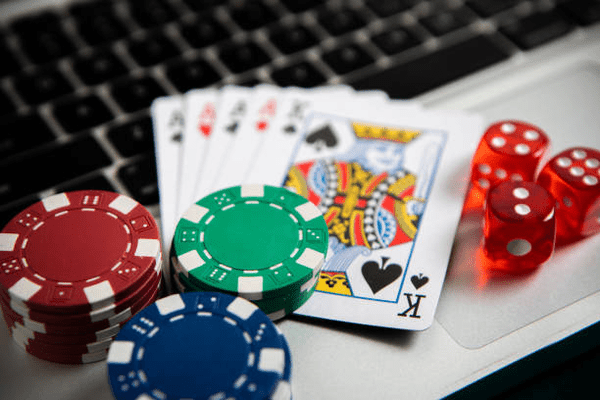
Online gambling has also harnessed social dynamics through chat features and interactive games that allow players to engage with one another. This virtual community provides an essential layer of interaction, making individuals feel less isolated in their gambling experiences. Whether engaging in friendly banter or strategizing together, these social elements significantly enhance the appeal of gambling, making it a shared journey rather than a solitary path.
The psychological mechanisms of addiction
Understanding the psychological mechanisms behind gambling reveals why it can become addictive for some individuals. The brain’s reward system plays a significant role in this phenomenon, particularly the release of dopamine, a neurotransmitter associated with pleasure and reinforcement. When individuals gamble and experience wins, their brain releases dopamine, creating a euphoric feeling that can lead them to seek out that sensation repeatedly. Unfortunately, this can create a cycle where the desire for the next win overshadows the reality of potential losses.
The concept of ‘variable rewards’ is central to gambling addiction. Unlike fixed rewards where outcomes are predictable, gambling offers unpredictable results that can lead to an exhilarating sense of hope. Games of chance like slot machines or roulette rely heavily on this principle, as players can never predict when a win will occur. This uncertainty keeps individuals engaged, as they often believe the next round could be their big break, leading them to chase losses in an attempt to regain control.
Moreover, cognitive distortions play a critical role in gambling behavior. Many gamblers exhibit irrational beliefs about luck and skill that influence their decisions. For example, they may attribute wins to skill rather than chance or mistakenly believe that they can alter the odds. These thought patterns can blind individuals to the risks involved, contributing to ongoing gambling even when it becomes detrimental. Understanding these psychological traps is essential for addressing gambling addiction and creating effective interventions for those in need.
The influence of environment and marketing
Environmental and marketing factors significantly shape the gambling experience, influencing players’ behaviors and perceptions. Casino environments are meticulously designed to create an immersive experience that stimulates the senses. From bright lights to entertaining sounds, these venues are engineered to captivate and retain players’ attention. This carefully crafted atmosphere plays into the psychology of gambling, encouraging longer play sessions and fostering a sense of excitement that can be hard to resist.

Marketing strategies also play a critical role in attracting players. Promotions, bonuses, and loyalty programs entice individuals to participate, making them feel valued and part of an exclusive group. These marketing tactics often highlight the social and celebratory aspects of gambling, further normalizing the behavior. The portrayal of gambling as glamorous and entertaining can diminish the perceived risks, making it more appealing to a broader audience, including individuals who may not have previously considered participating.
The rise of online gambling has added another layer of complexity to the environmental influences on gamblers. With digital platforms offering convenience and accessibility, players can easily engage from the comfort of their own homes. However, this also raises concerns about impulse control, as the barriers to entry are lower than traditional venues. The convergence of sophisticated marketing, easy access, and enticing digital environments creates a potent combination that can impact players’ choices and behaviors significantly.
Your source for responsible gambling support
As gambling continues to evolve, it is essential to prioritize awareness and education around responsible gambling practices. Understanding the psychological factors at play can help individuals make informed decisions about their gambling activities. By recognizing the potential for addiction and the strategies used in games and marketing, players can approach gambling with a more critical mindset, reducing the likelihood of developing unhealthy habits.
There are numerous resources available for those seeking guidance or support in their gambling journeys. Whether you are looking for strategies to gamble responsibly or seeking help for a gambling addiction, it is crucial to connect with experts who can provide tailored advice and support. Websites that specialize in gambling education often offer valuable insights, strategies, and forums for connecting with others who may share similar experiences.
By fostering an informed community and promoting responsible gambling practices, we can help ensure that the thrill of gambling remains an enjoyable and safe pastime. Whether for entertainment or social interaction, prioritizing mental health and well-being should always come first, making the gambling experience as rewarding as it is exciting.
